
In the unforgiving deserts of Arrakis, survival hinges on mastery over scarce resources. As players progress through the intricate crafting systems of Dune: Awakening in 2026, the acquisition of high-tier materials becomes paramount for advancement. Among these crucial components are Industrial Pumps, a versatile and sought-after crafting element. Their importance escalates significantly when pursuing advanced schematics, such as sophisticated healing apparatuses and the vital blood extractor. This necessity mirrors a core tenet of the survival-crafting genre, where superior gear demands greater investment. However, securing these pumps doesn't always mandate direct confrontation with the harsh environment or its inhabitants; strategic acquisition offers multiple pathways to success, balancing time, effort, and in-game currency.
📍 Primary Acquisition Methods for Industrial Pumps
Players have several avenues to obtain these mechanical components, each with its own strategic trade-offs between speed, cost, and risk.
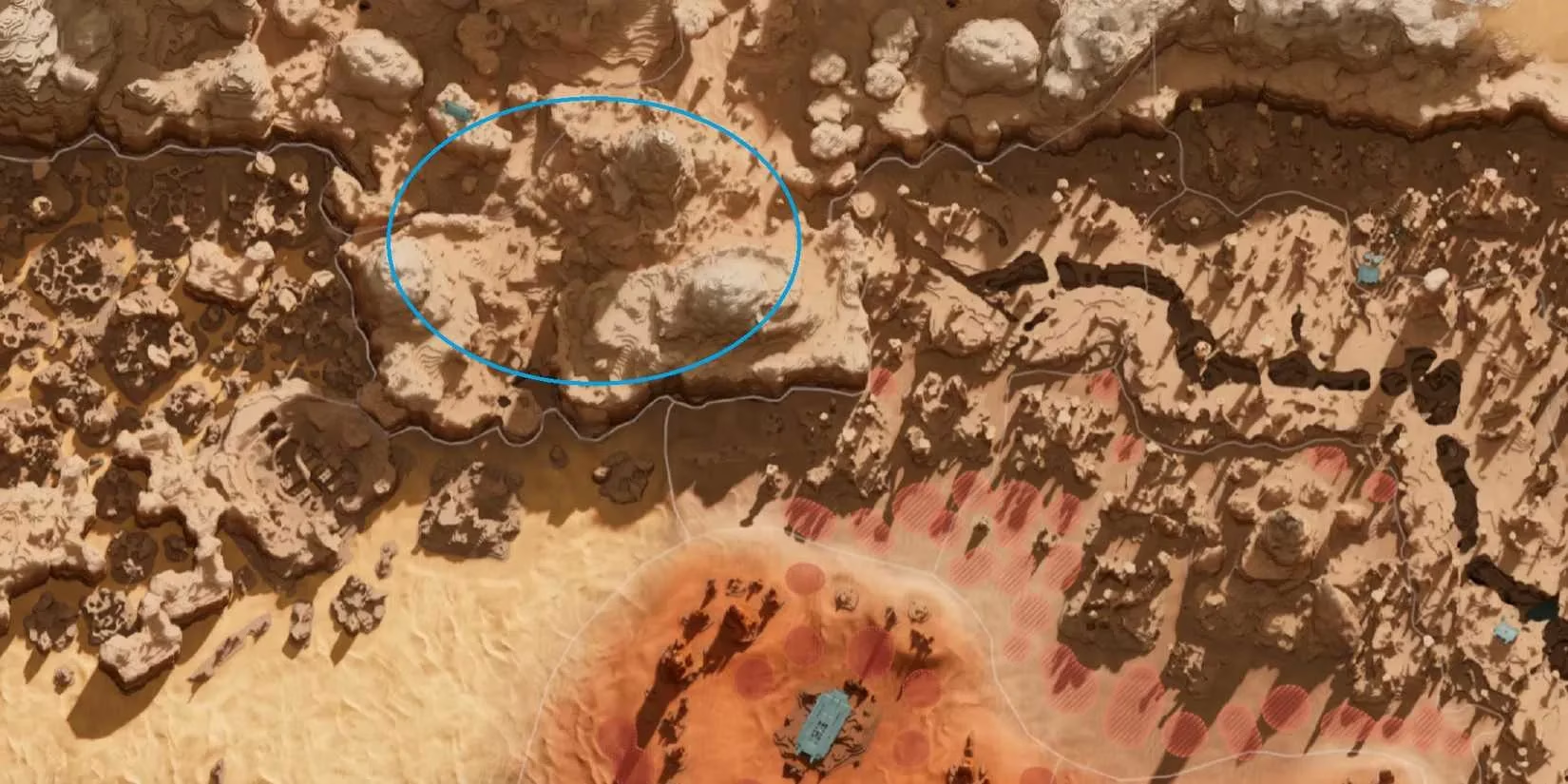
1. Looting in Sentinel City:
The most direct method involves venturing into the perilous urban sprawl of Sentinel City. Here, players must scavenge through various containers and chests scattered across the ruins. This approach is free but carries inherent dangers from environmental hazards and potential player-versus-player encounters.
2. Purchasing from Vendors:
For those with ample Solari, the in-game currency, a safer alternative exists. The trader named Zoe, stationed at the Crossroads Tradepost, regularly stocks Industrial Pumps for sale. This method eliminates risk but requires a healthy economic reserve.
3. Player-Driven Economy:
The dynamic CHOAM Exchange and direct player-to-player bartering present a third option. This marketplace allows for price fluctuations based on supply and demand, and savvy traders might find favorable deals or trade surplus materials for the needed pumps.
| Method | Primary Cost | Risk Level | Speed |
|---|---|---|---|
| Looting (Sentinel City) | Time & Risk | High | Variable (Fast if lucky) |
| Vendor Purchase (Zoe) | Solari (Currency) | None | Instant |
| Player Trade / CHOAM Exchange | Other Items or Solari | Low (Scam risk) | Variable |
🛠️ Essential Applications and Crafting Recipes
Industrial Pumps are not merely inventory clutter; they are fundamental for constructing advanced equipment that defines late-game progression. Their mechanical nature makes them integral to systems involving fluid transfer, hydraulic mechanisms, and life-support technology. It is highly advisable to stockpile these components even before unlocking their relevant schematics through the game's research tree.
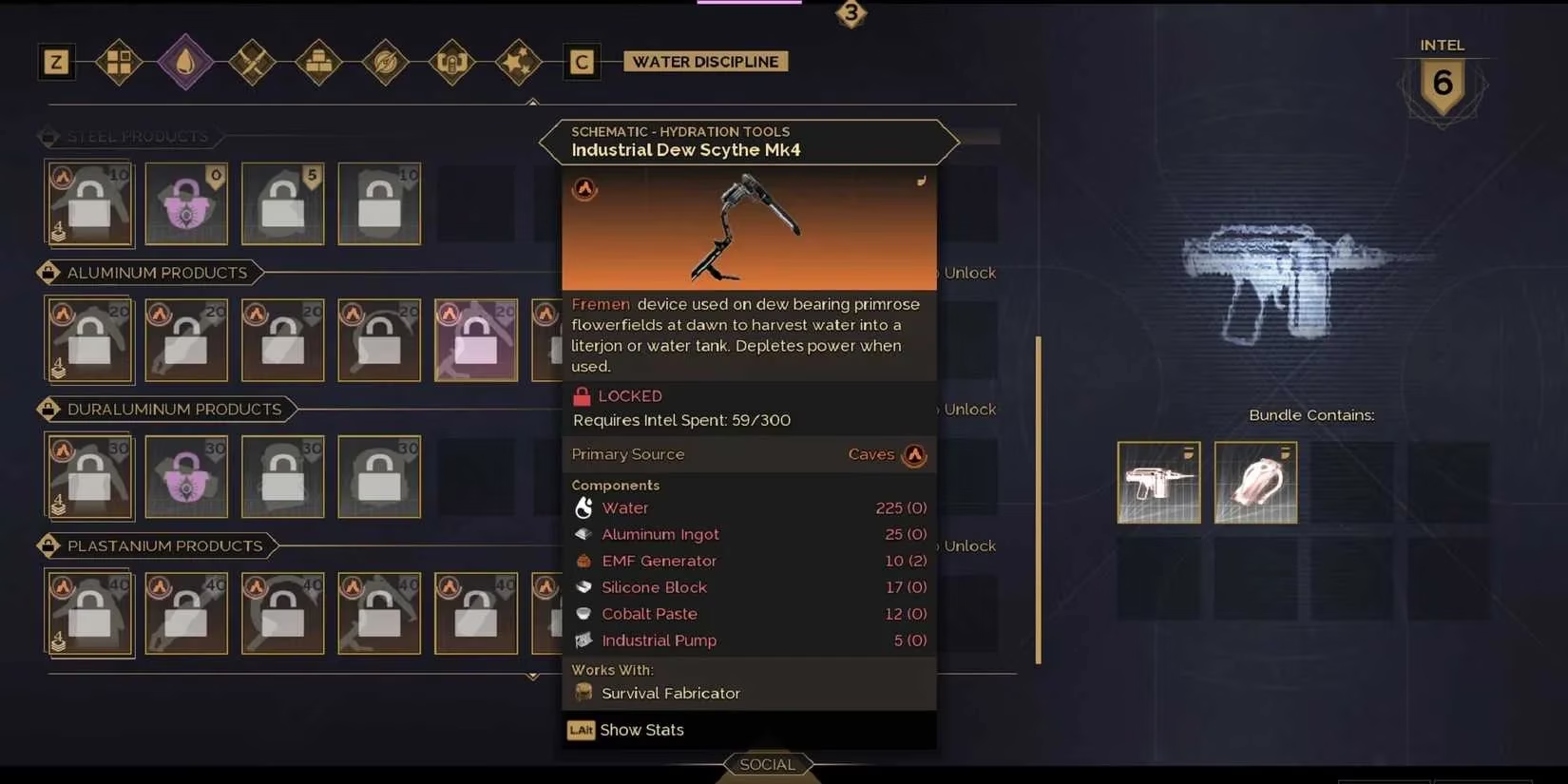
The current list of high-value recipes requiring Industrial Pumps includes:
-
🏭 Advanced Vehicle Fabricator: A cornerstone for manufacturing superior land vehicles.
-
🚁 Assault Ornithopter Wing Mk5: Critical for enhancing the mobility and durability of assault aircraft.
-
💉 Blood Extractor Mk4: An advanced medical device for resource extraction and survival.
-
🔧 Industrial Dew Scythe Mk4: A crucial tool for harvesting the precious spice melange and atmospheric moisture.
-
🚰 Large Water Cistern: A vital base infrastructure component for water storage and management.
-
🚁 Scout Ornithopter Wing Mk4 & Mk5: Upgrades essential for reconnaissance and exploration capabilities.
💡 Strategic Insights and Proactive Resource Management
Given the diverse and high-tier nature of these blueprints, it is unlikely a player will have unlocked all corresponding research nodes when beginning their pump collection. This disparity underscores a critical survival strategy in Dune: Awakening: proactive stockpiling. The game's economy and crafting demands can shift, making seemingly excess materials invaluable later. Industrial Pumps epitomize this category—a component whose value only appreciates as one delves deeper into Arrakis's secrets.
Furthermore, the very existence of multiple acquisition methods enriches the player's strategic palette. Whether one chooses to brave the sands of Sentinel City, engage in commerce, or participate in the player-driven market, each choice impacts the gameplay experience and resource flow. This flexibility ensures that progression is not gated by a single playstyle but accommodates explorers, traders, and crafters alike. In the ever-evolving meta of 2026, understanding the sourcing and application of such pivotal components is not just helpful—it is essential for any player aiming to thrive under the twin suns and control the spice.